

Interior design styles seem to multiply like rabbits these days, with new styles emerging all the time. Even old aesthetics are having a comeback with big revivals. With all that moving and shaking, it’s hard not to question your current tastes. One minute, you’re all about mid-century modern. The next, you’re hardcore Cottagecore (or even Barbiecore!).
Maybe you’re looking to refresh your home. Maybe you’re just curious about different design styles. Either way, the world of interior design is vast, and this guide is here to help you discover the design style that speaks to your soul.
Curious about what’s hot this year in the design world? Check out 2024 interior design trends now.
What’s My Design Style?
Only you can answer that! But there are some things you can do to help you figure out what design elements you really love.
Finding your perfect design style means exploring what makes you feel inspired and comfortable. Consider:
- Reflecting on places and spaces that make you happy. What elements do you love?
- Have fun window shopping. Visit furniture stores and home decor shops. See what styles and pieces catch your eye. A few of my favourite local Calgary must-stop-shops are:
- Check out websites, social media, and Pinterest. Save images of rooms and decor you like. Look for patterns in what you save—these will hint at your style.
Once you have a bit more of an idea of what you like and don’t, you can start playing around with what you discovered!
23 HOT Interior Design Styles From Unshelf Design
If you’re in the market for some new design styles, these popular ones are a great place to start (starting with my favourite):
Wabi Sabi
Wabi Sabi is the Japanese art of finding beauty in imperfection. This style uses natural, unrefined materials like raw wood, stone, and clay, with a muted colour palette of beiges, creams, and soft greys. It embraces asymmetry and irregularity, which results in peaceful, organic environments that connect with nature.
(Isn’t it lovely?!).

Rustic
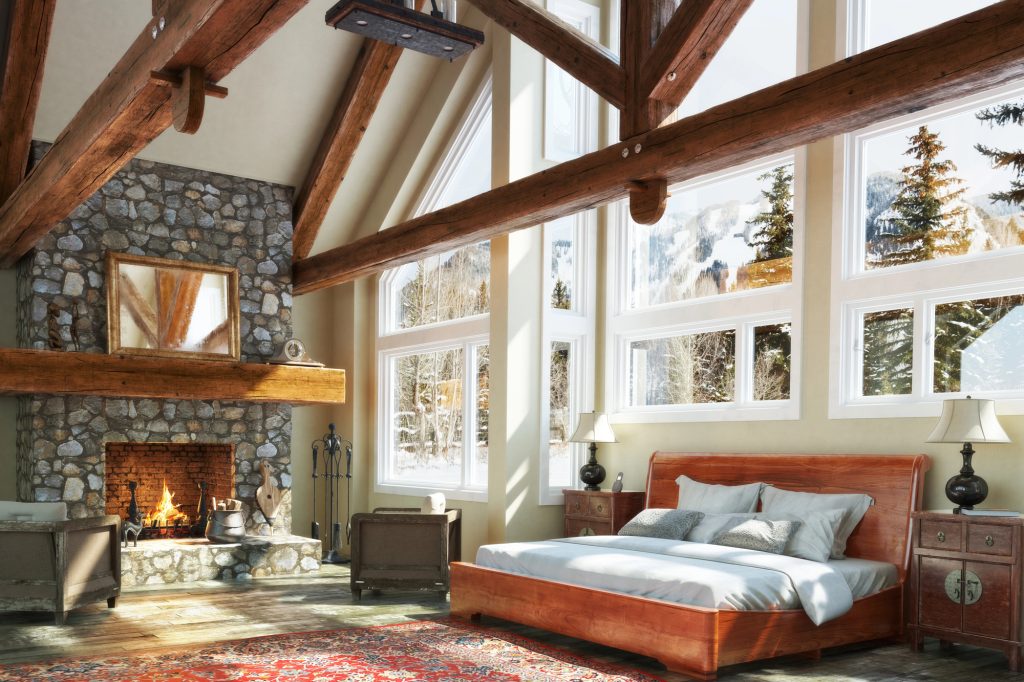
Rustic design dates back to the early 19th century when American settlers needed simple, functional spaces. Though it’s evolved to suit modern use, it still maintains that natural, back-to-basics charm.
In terms of colour, think earthy, with lots of browns, greens, and deep reds balanced by neutrals like beiges and greys. Heavy, sturdy furniture and handmade decor pieces give this style a warm, lived-in feel too. Oh… and there’s a LOT of wood.
Southwestern
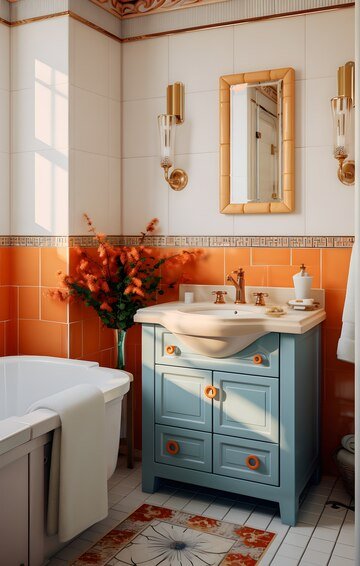
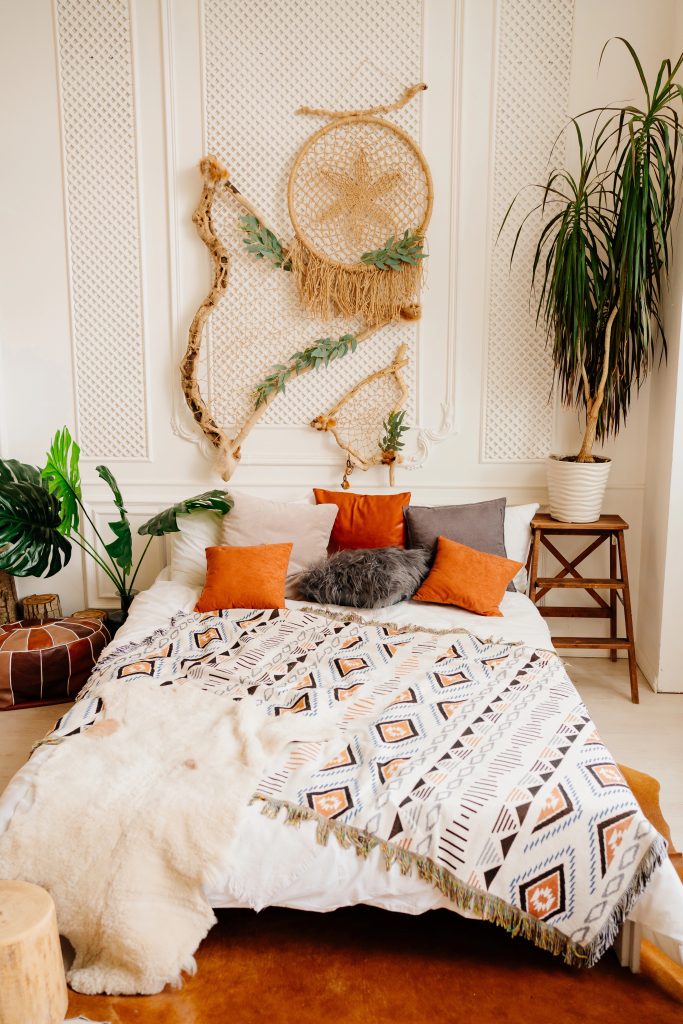
Drawing inspiration from Navajo, Spanish, and American West traditions, Southwestern style is rich in colour, texture, and culture. Vibrant turquoises, reds, and oranges take center stage, alongside neutral tones including beiges and tans. Organic materials and handcrafted decor items like pottery and woven rugs are staples, with geometric patterns adding a touch of cultural artistry to the overall look.
Learn more about Rustic and Southwestern designs in this comparison.
Modern Design Style
Modern design, which began in the mid-20th century, is known for being clean and crisp. Its spaces showcase sleek lines and an uncluttered look with a focus on function. Stark, raw elements like steel and concrete, are complemented by a palette of black, white, and the occasional bold accent colour (red is a popular choice). Open, flowing spaces define modern interiors, making them feel sophisticated and airy.

Contemporary
Contemporary design is constantly evolving to embrace current trends. It features open floor plans and airy spaces, with a penchant for minimalism. Key elements of this design include high-quality craftsmanship and a neutral palette of blacks, whites, and greys accented with earth tones. Curved lines and smooth textures give contemporary spaces a softer, more fluid feel than its modern counterpart.

What else do Modern and Contemporary designs have in common? Find out now.
Eclectic
Eclectic design is the art of mixing and matching different styles and periods. It’s a curated blend that might seem chaotic but is actually really thoughtfully balanced. Eclectic spaces often feature a variety of colours, textures, and standout focal points like gallery walls or statement furniture for a unique and highly personalized look.

Maximalist
Maximalism is abundance and boldness. Unlike minimalism’s “less is more,” maximalism’s mantra is no doubt “more is more”. This style is rich with bright colours, busy patterns, and varied textures, and often features ornate details. It’s a celebration of grand gestures and expressive decor, so it’s perfect for those who love making a statement.

Hamptons
Inspired by the upscale beach spots of Long Island, the Hamptons style blends laid-back vibes with luxurious touches. It uses light, refreshing colours like whites, light blues, and beiges, along with natural materials including wood and linen. Designed to maximize space and light, Hamptons interiors are relaxed sophistication at its absolute finest.

Cape Cod
The Cape Cod style, famous for its steep roofs, symmetry, and wood shingles, is a quintessential New England design known for its timeless charm. The colour palette includes soft blues, seafoam greens, and beiges to echo the seaside. Classic fixtures and decor elements like beadboard walls and nautical subtleties create a cozy, coastal feel.

Obsessed with beach chic? Learn more about Hampton and Cape Cod design styles.
Minimalism
Minimalism strips design down to its essentials by focusing on clean lines and simple shapes. In its purest form, it avoids ornate details at all costs, opting for a neutral colour palette of whites, beiges, and greys instead. Each piece of furniture and decor has a deliberate purpose (or two), with the ultimate goal being to create clutter-free spaces that feel serene and spacious.

Industrial
Functional and utilitarian, industrial design takes cues from the Industrial Revolution, showcasing exposed brick, concrete floors, and visible ductwork. It uses raw materials like wood and metal in their most unrefined states that are then complemented by greys, blacks, and whites.

Get the full story on minimalism and industrial interior design styles here.
Traditional
Traditional design is rooted in the classic European styles of the 18th and 19th centuries and features symmetry, rich colours, and ornate details. Warm browns, deep reds, and the occasional dark green and blue dominate the palette. These spaces are elegant, comfortable, and often adorned with art and antiques.

Transitional
Transitional design blends classic and modern elements to create a balanced and sophisticated look. Like with many other modern designs, neutrals are the star, but pops of colour and a variety of textures are strategically incorporated to add interest and depth. This style focuses on comfort and elegance with a cleaner, more streamlined appearance for modern living.

French Provincial
Charming, rustic, and oh-so elegant, the French Provincial design originates from rural 1700s France. It features soft, muted colours including beiges, greys, and pastels, along with natural materials like wood and stone. Antique furniture, intricate woodwork, and floral prints are a must here too.

English Cottage
Inspired by traditional English countryside cottages, this style features warm colours and floral patterns. Vintage furniture like wingback chairs and slip-covered sofas are common, along with natural materials like wood and stone. English Cottage designs are known for being cozy, inviting, and ultra-comfy settings.

Hollywood Glam
Hollywood Glam blends Art Deco elements with modern touches. Popularized during Hollywood’s Golden Age, this style features luxurious textures and a palette of blacks, whites, and greys that are accented with rich purples and greens. Statement lighting and ornate details are used to create a glamorous, opulent look that’s reminiscent of a distinct time in history.

Barbiecore
Want to live in a Barbie Dreamhouse? Then Barbiecore is the answer.
As the name eludes to, Barbiecore embraces vibrant pinks in every shade, from bubblegum to blush. It’s playful and whimsical, with fun textures and patterns. Feminine touches like flowers, ruffles, and sparkles create a lively, joyful space to epitomize the spirit of Barbie herself.


Barbiecore and Hollywood Glam have a lot more in common than you’d think! Get the details here.
Grand Millennial
Grand Millennial gives traditional design a distinct modern flair. Often called “grandma-chic”, it features bold patterns, vintage pieces, and bright colours. Traditional elements like chinoiserie wallpaper and tassel trim are mixed with contemporary accents for a fresh, nostalgic look.

Cottagecore
Cottagecore, also known as farmcore or countrycore, evokes a simple, pastoral lifestyle. It uses natural materials like linen, wool, and wood, along with vintage and handmade items. Soft, muted colours like sage greens and dusty roses help to create a cozy, comforting environment.

Japandi
Japandi combines Scandinavian simplicity with Japanese elegance with dark, earthy tones and natural materials including wood, bamboo, and stone. This style emphasizes simplicity, practicality, and a deep connection with nature, while incorporating traditional Japanese elements like shoji screens and tatami mats.

Scandinavian
Originating in the Nordic countries, Scandinavian design focuses on coziness, known as “hygge.” It features light and airy spaces with neutral colours like whites, greys, and beiges. Minimalism, clean lines, and natural materials including wood and wool are used to create a serene, inviting atmosphere.

Modern Farmhouse
Modern farmhouse combines rustic and industrial elements with a neutral colour palette to soften its overall aesthetic. Staying true to its farmhouse roots, it uses reclaimed wood, exposed brick, and metal accents, with large windows for natural light. The style is functional and stylish, blending traditional farmhouse charm with modern simplicity.

Modern Cottage
Modern Cottage takes inspiration from English countryside cottages but adds a minimalist twist. It features vintage elements, neutral and pastel colours, and natural materials like wood and linen. Simple, clean lines and cozy textiles create a charming, serene space to bring the traditional English cottage into modern times.

Which Design Style Resonates With You?
Finding your own personal design style is exciting and fun. Each offers something unique and speaks to different aesthetics and personalities.
Now that you know more about different styles, you can start designing a home that reflects your taste. Pick one or two styles you love and dive deeper into them. And don’t forget to reach out to Unshelf Design once you’re ready to bring your vision to life!
Ready to talk? Book a consultation now.